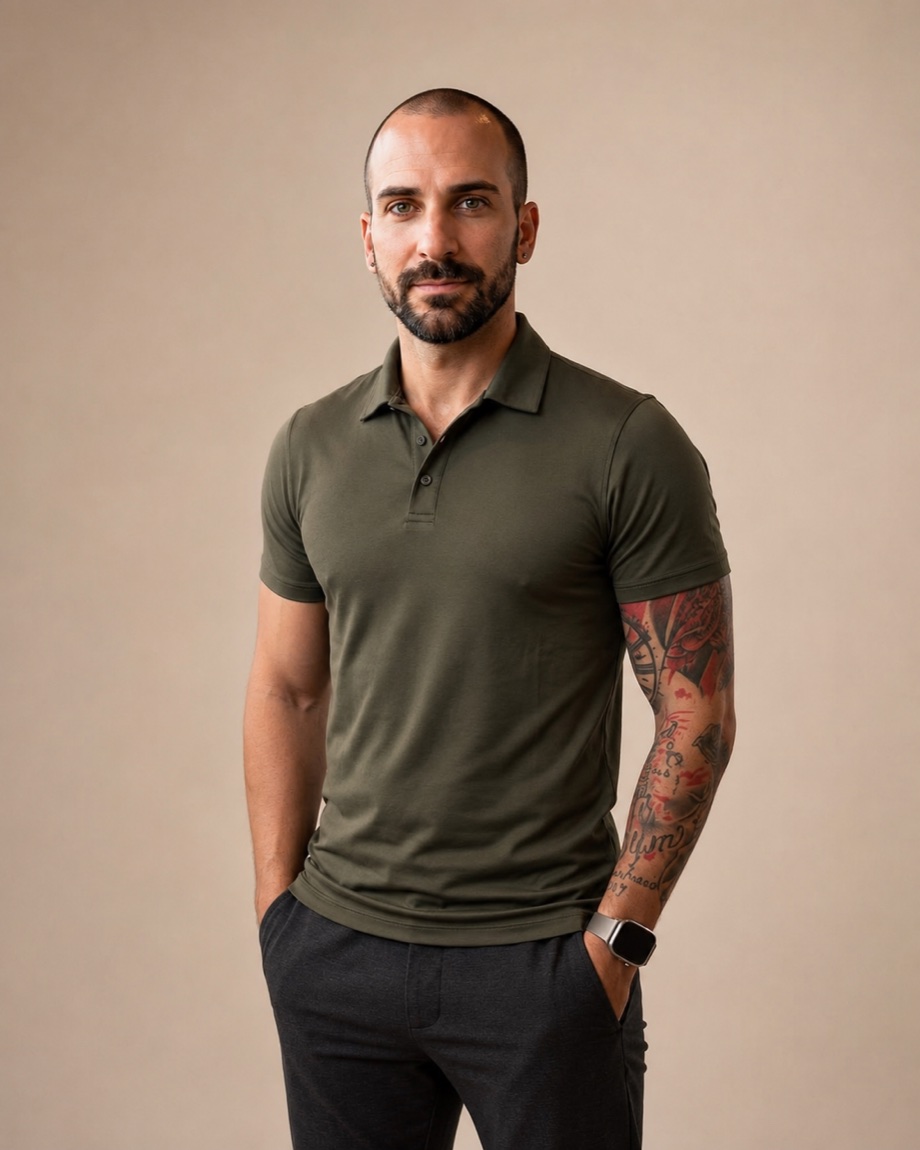
My name is Matteo. What I do now has a long title, Performance Analyst for Precision Sports, Clinical Kinesiologist AMA, but the substance is simple: I help archers understand what is really happening in their shot, working from data rather than from feeling.
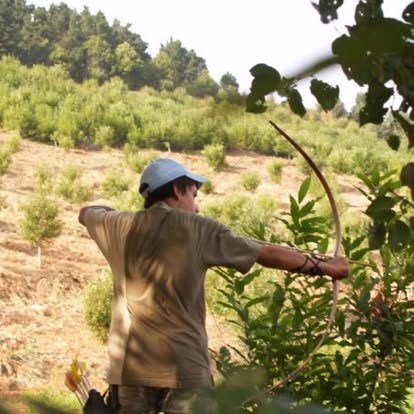
I started on the field, as an archer, and I came to know every kind of day that anyone who shoots recognises at once: the days when the movement comes naturally, without having to think about it, and the days when nothing seems to work, for no reason you can put into words. It was exactly that "can't explain it" that brought me to where I am today. For years I treated it as a limitation; at some point I realised it was actually the question worth starting from.
For a long time those questions went unanswered. Why do two archers who train in exactly the same way improve at different speeds? Why does a movement that looks clean at the start of a session break down by the end, when fatigue sets in? Why do certain errors keep coming back even after you have corrected them ten times? I did not have the tools to answer, so I decided to go and get them, approaching the problem from the side of human movement rather than shooting technique alone.
I built my education around that. A bachelor's degree in Sports and Exercise Science at the Università di Bologna, with a thesis on motor learning applied to archery; then a master's degree with honours in Preventive and Adapted Physical Activity at Urbino, and a specialisation in functional rehabilitation. During those same years I worked as a kinesiologist, conditioning coach, and lecturer, and since 2019 I have worked with FIARC as an instructor and educational collaborator, bringing biomechanics and motor learning into the federation's training circuit.
MCPerformance grew out of all of this coming together: concrete experience in preventive, rehabilitative, and performance exercise, years in the lab, hands-on work with the body, and an obsession with measuring what archery, until recently, left to "in my opinion".
There is also a side of me that, on the surface, has nothing to do with archery. I come from a computing background, I trained on the National Informatics Programme, and I never really stopped programming. Over the years the two worlds converged: rather than make do with software built for other sports that never asked the right questions, I built my own. That is how Eyercer came about, the programme I use to read the shot frame by frame, and Arcos, which tracks the performance data of the archers I work with over time. I wrote them myself, line by line, precisely because I know this work from the inside: I know which numbers actually matter on the shooting line and which do not. They are tools of the trade, built to measure by someone who does that trade every day.
One thing, though, I want to say upfront: I am not a replacement for your shooting coach, and I have no intention of being one. I work alongside them, not instead of them. What I bring is a biomechanical and performance reading that the coach usually does not have the tools to provide: the same reading that explains why certain corrections fail to stick, or why errors that look purely technical are, when you look closely, coming from the body.
In the end the point is not to shoot more. It is to understand exactly what is limiting your shot.